Why Outdoor Photo Sessions Are Scheduled at Sunset | Bay Area Family & Maternity Photography
If you’ve ever planned an outdoor photo session, you’ve probably been told:
“We’ll schedule it around sunset.”
At first, this might seem like a simple preference — but there’s actually a very specific reason behind it.
For families planning outdoor family or maternity photography in the Bay Area, timing plays a huge role in how your final images look and feel.
And interestingly, sunset timing isn’t always exactly the same for every location.
Why Sunset Light Works Best
The biggest reason comes down to light quality.
During the middle of the day, sunlight is:
harsh
direct
creates strong shadows
This can cause:
squinting
uneven skin tones
high contrast that’s difficult to soften
As the sun begins to set, the light changes completely.
It becomes:
softer
warmer
more even
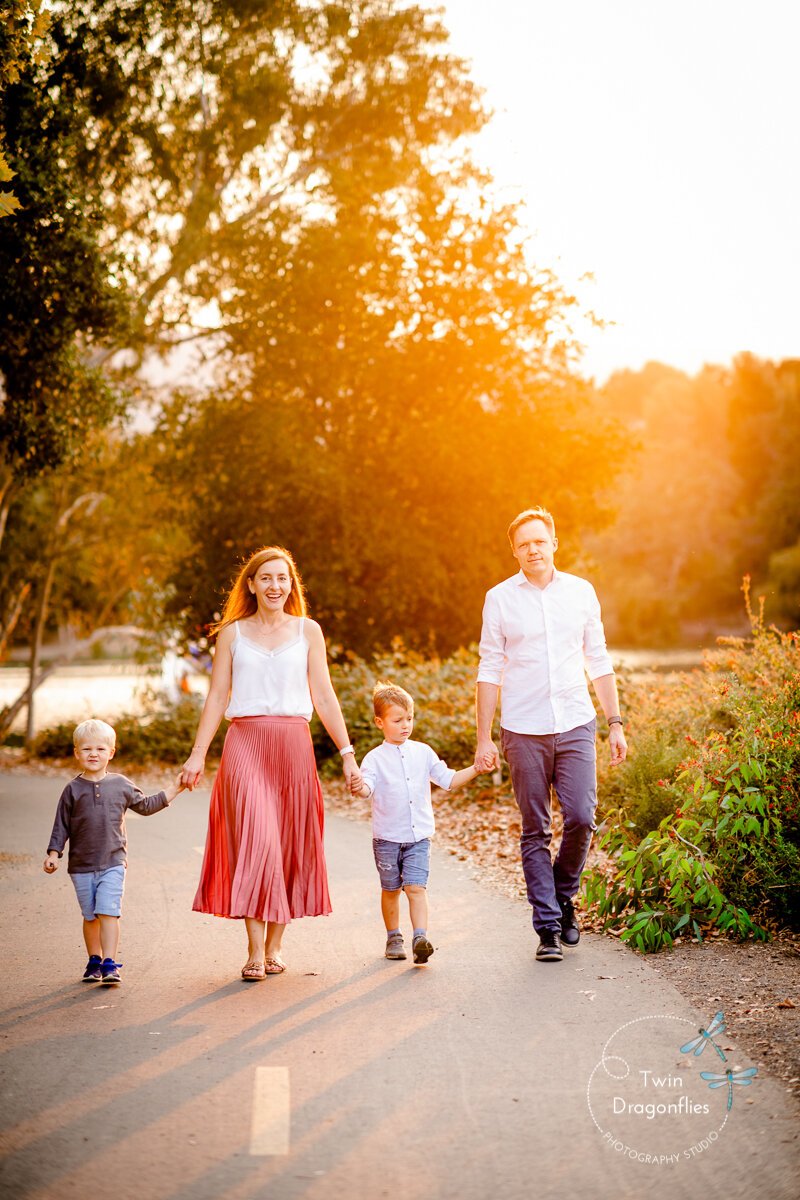
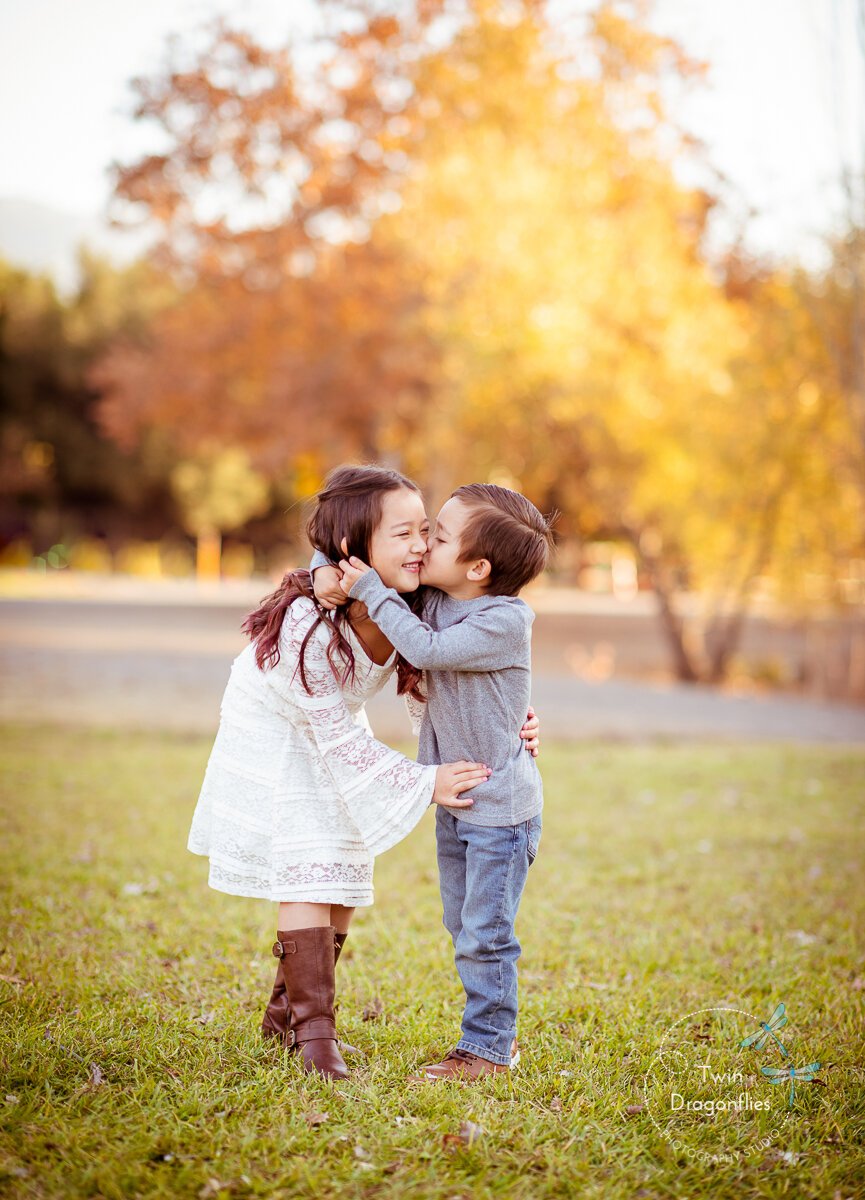
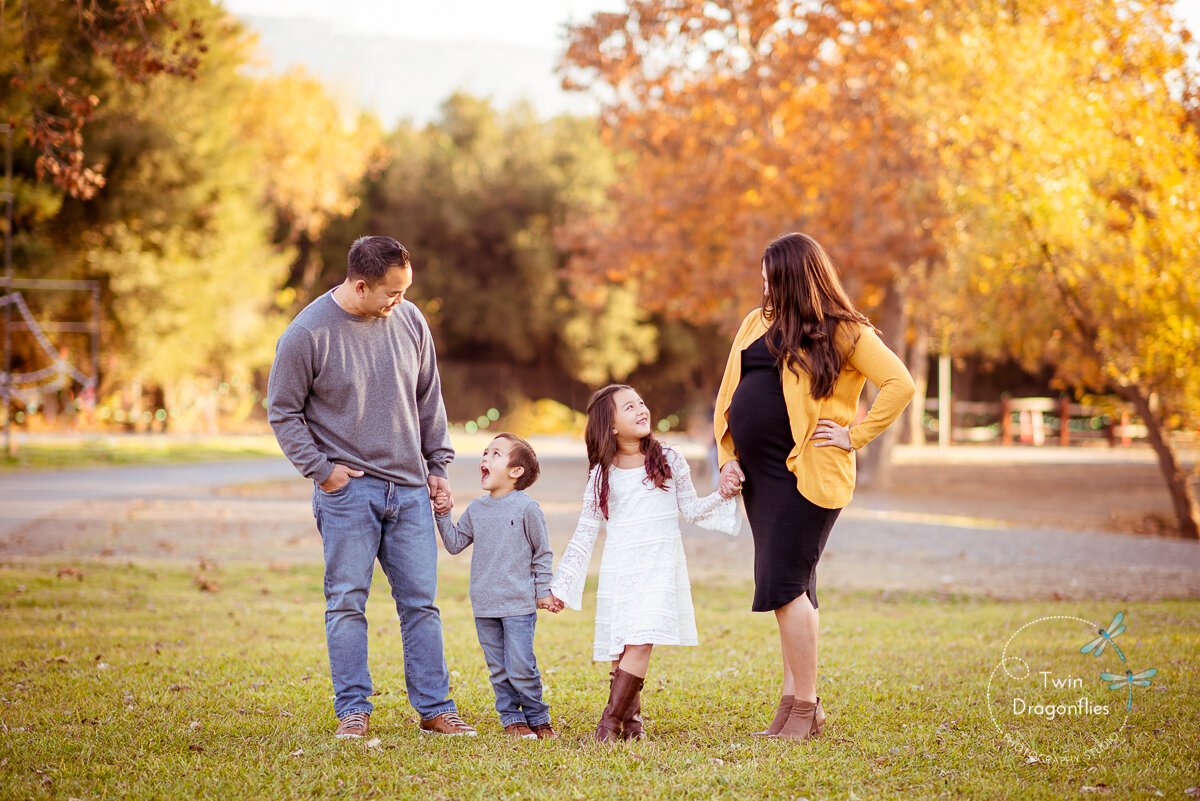
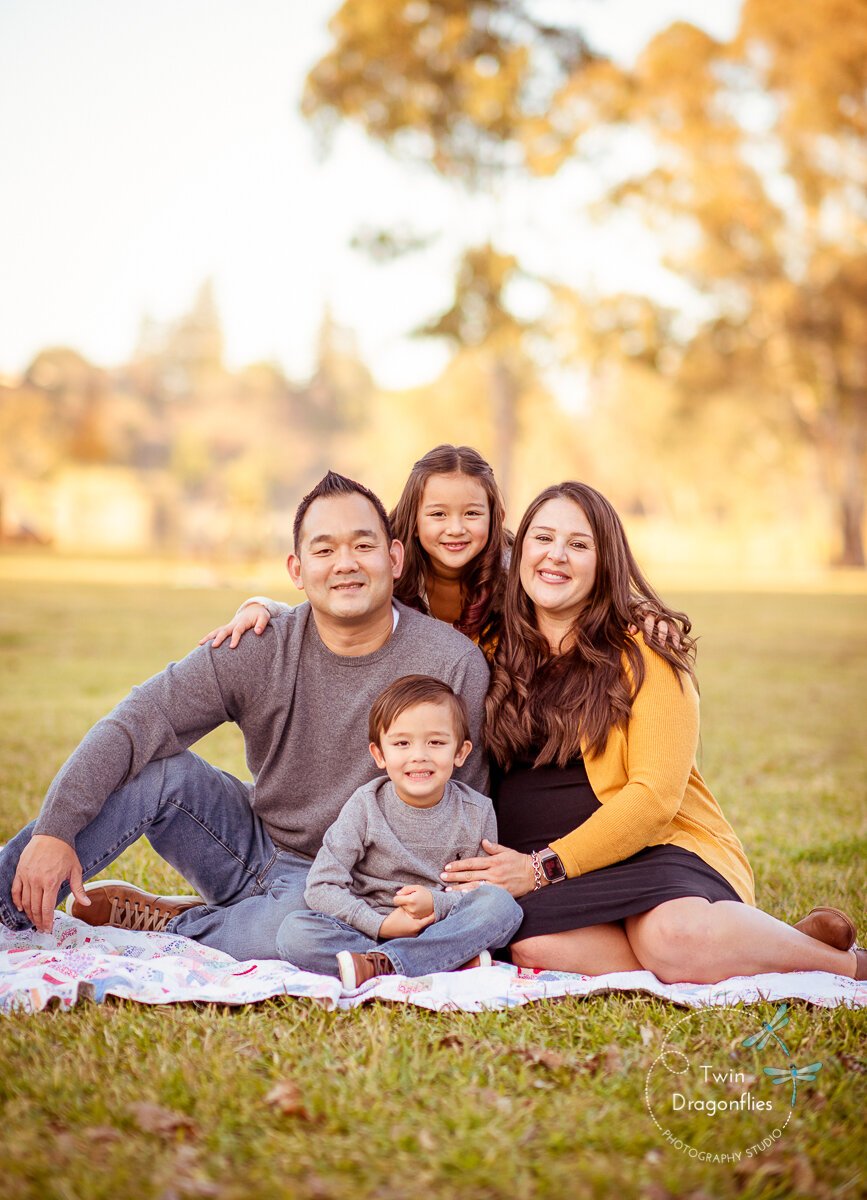
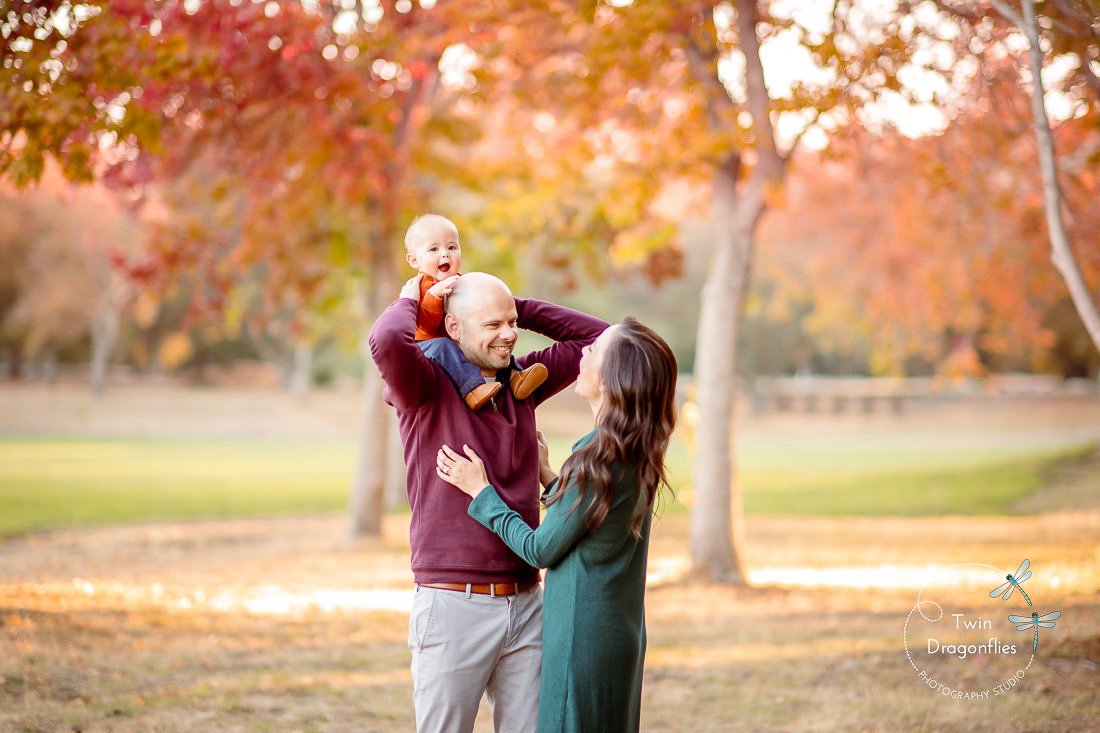
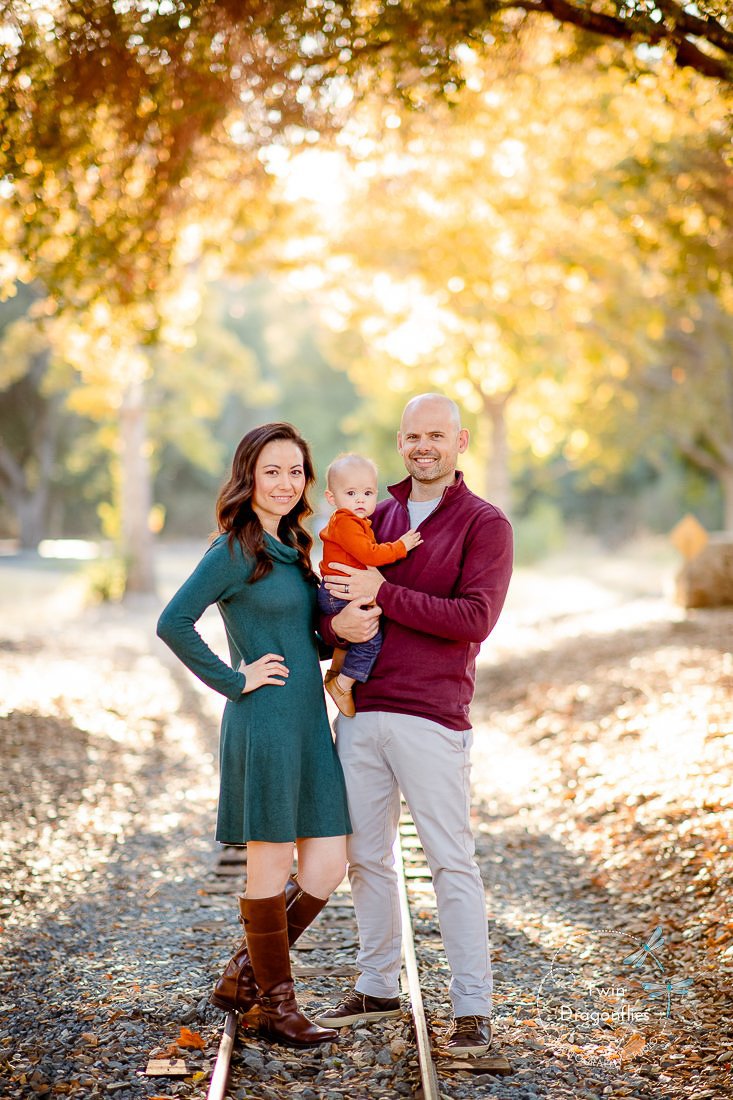
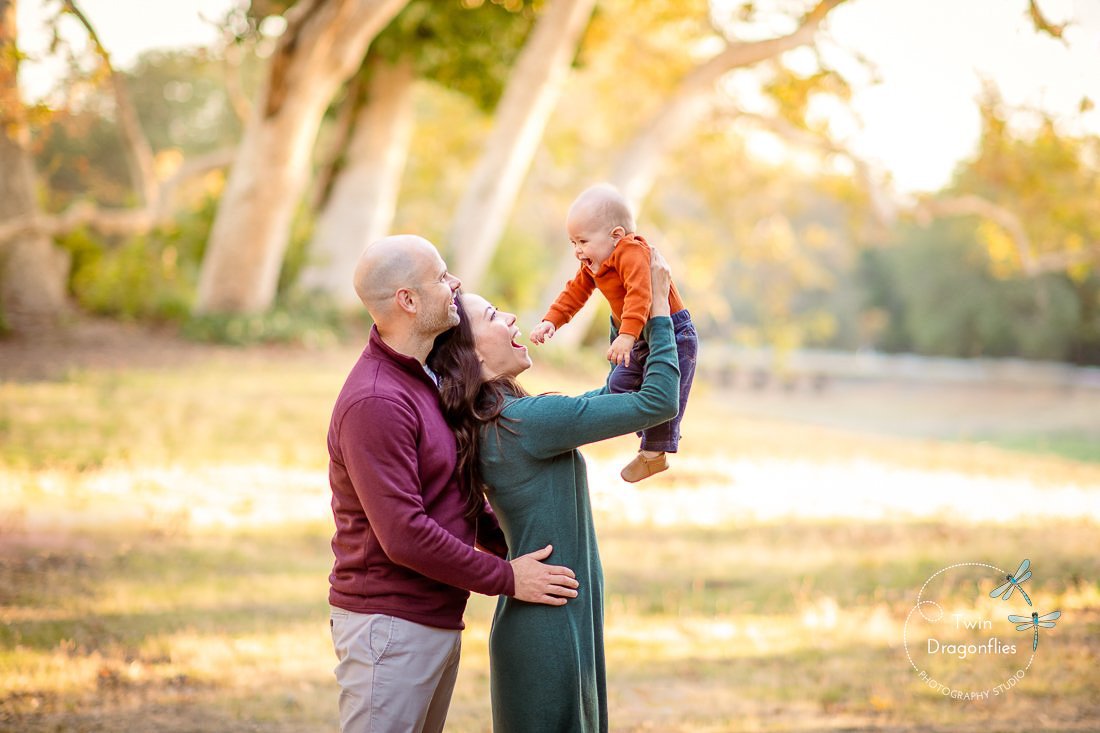
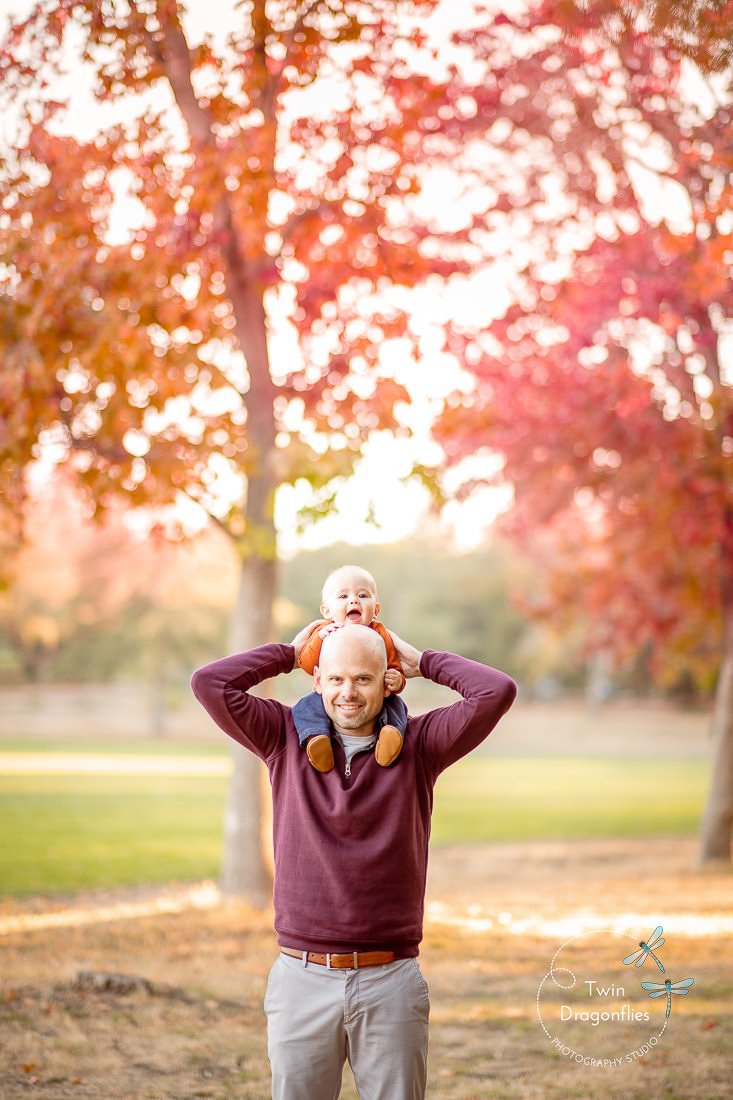
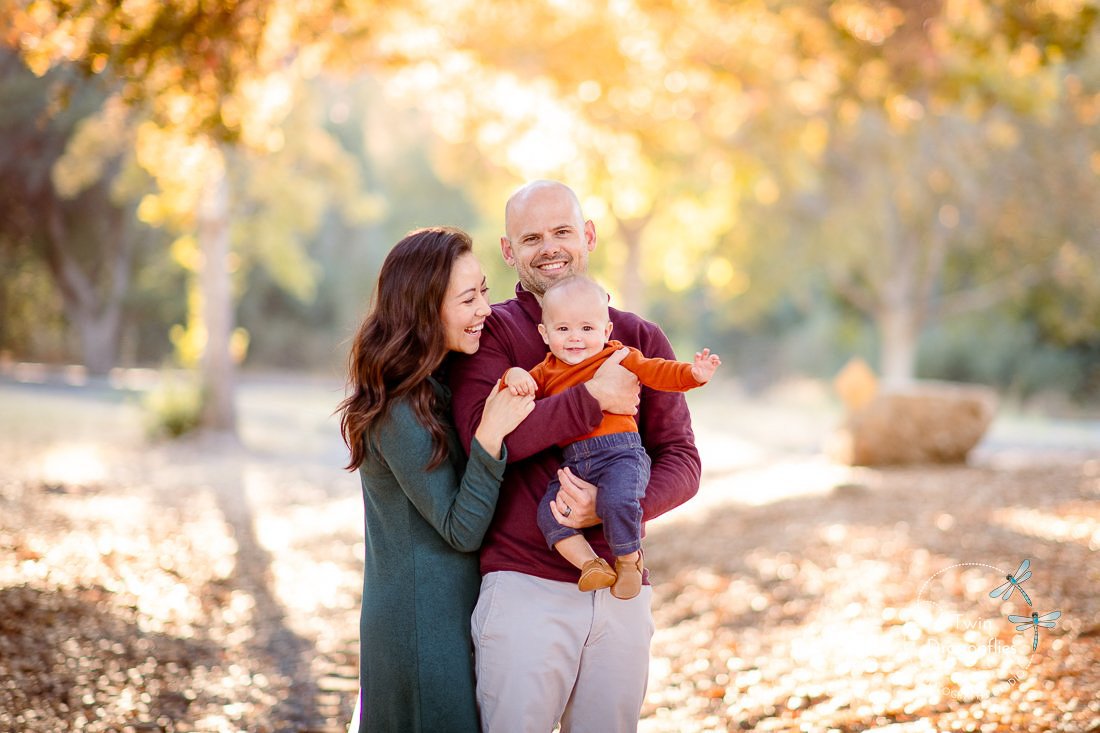
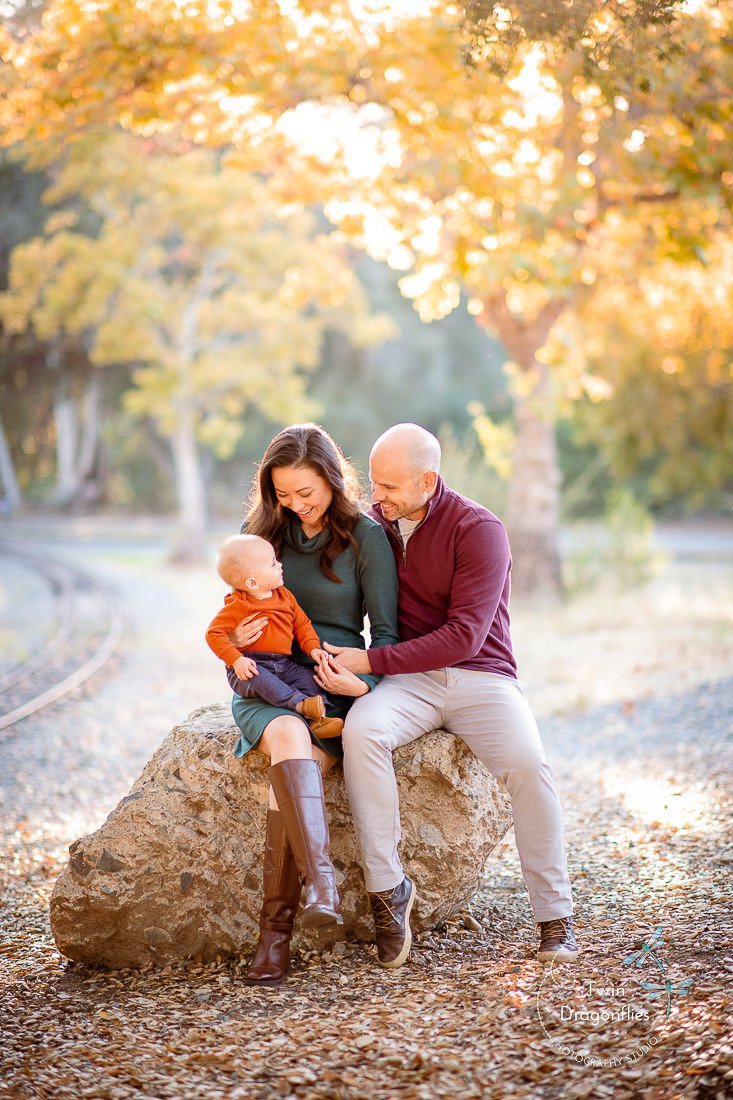
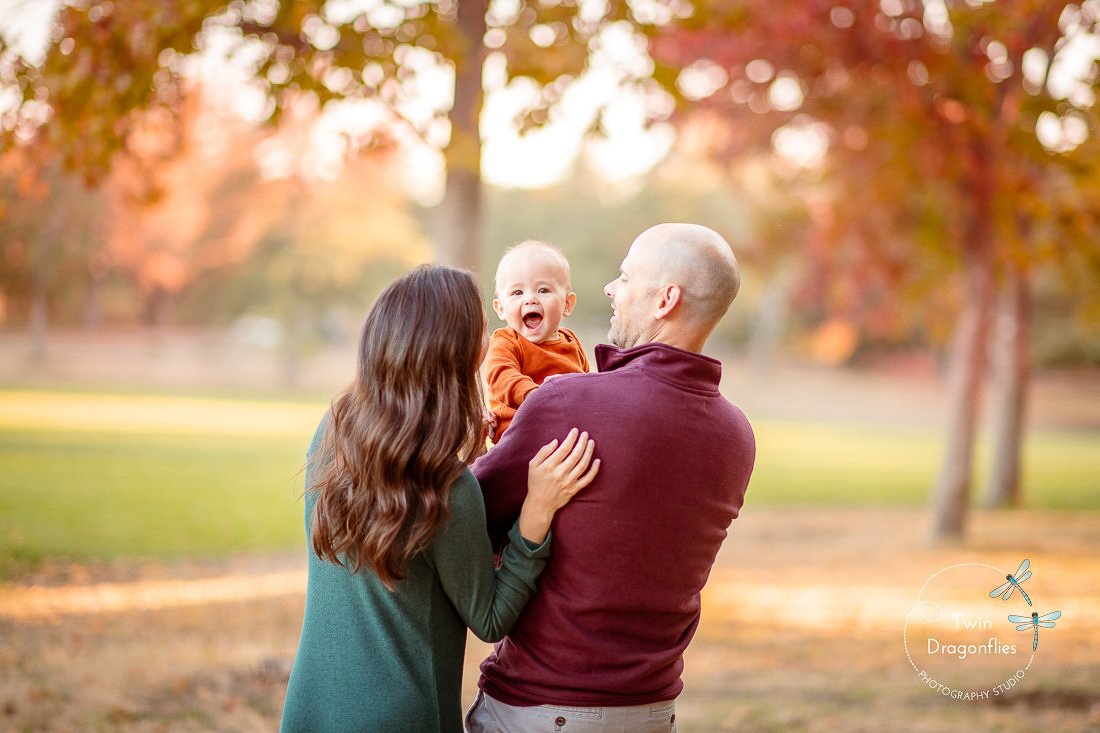
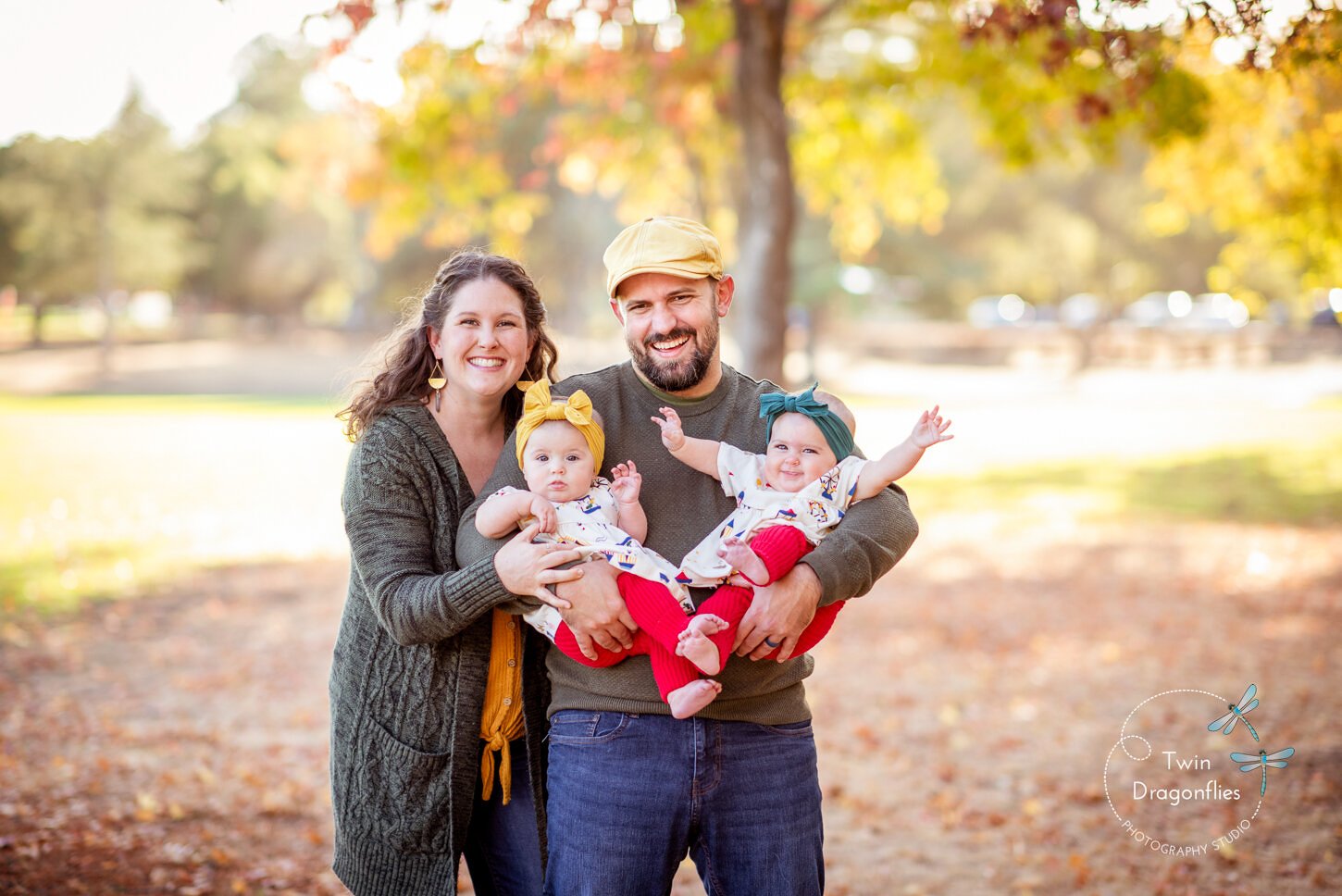
This type of light wraps gently around faces and creates a more natural, flattering look — especially for family and maternity photography sessions.
It’s Not Just About the Color
Many people think sunset sessions are only about that “golden glow.”
But it’s actually more about how the light behaves.
At sunset:
shadows are longer and softer
highlights are less harsh
the overall scene feels more balanced
This allows for more flexibility in movement and positioning during a session.
Why Timing Isn’t Exactly the Same Everywhere
Here’s something most people don’t realize:
Sunset time isn’t universal — even within the same area.
Across San Jose, Palo Alto, Los Gatos, and the Bay Area, the ideal session time can shift depending on the environment.
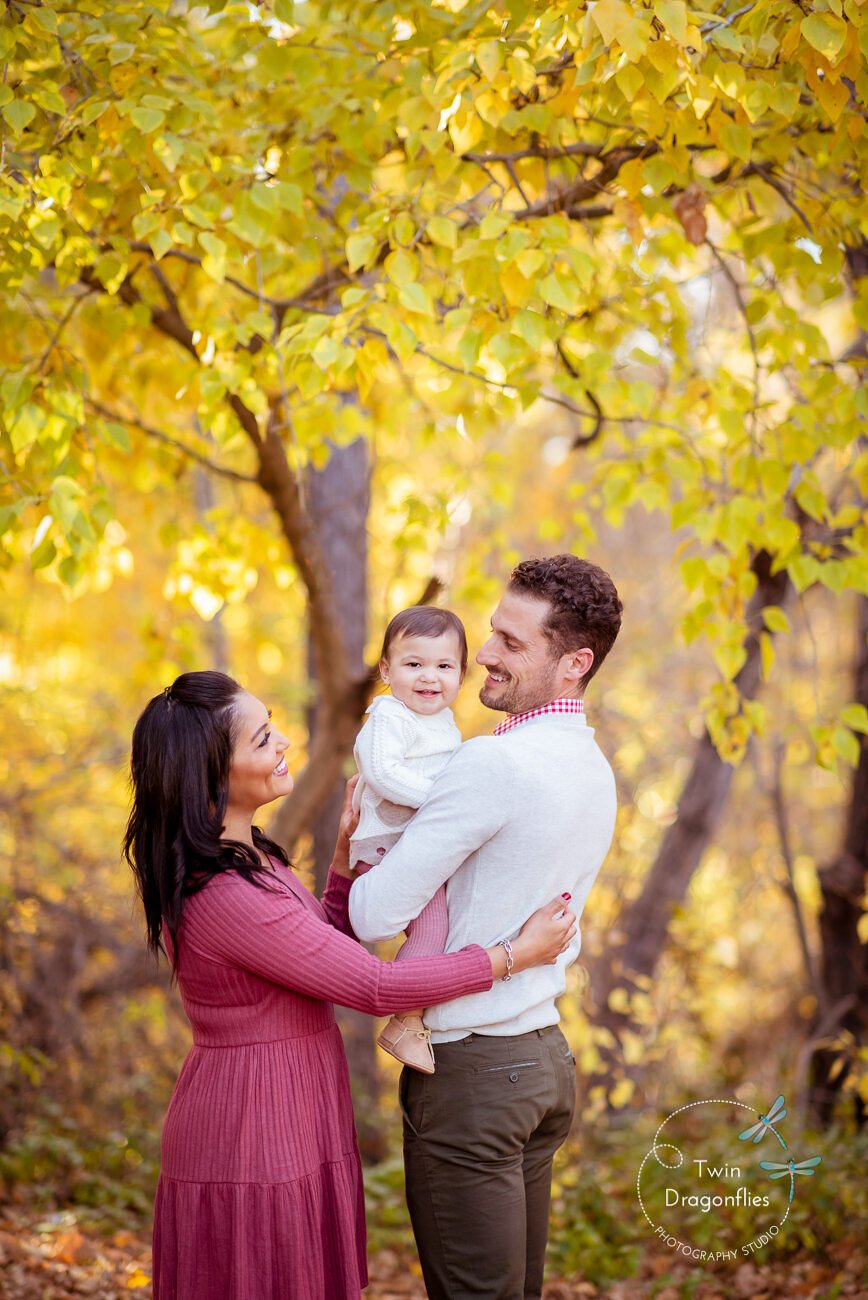
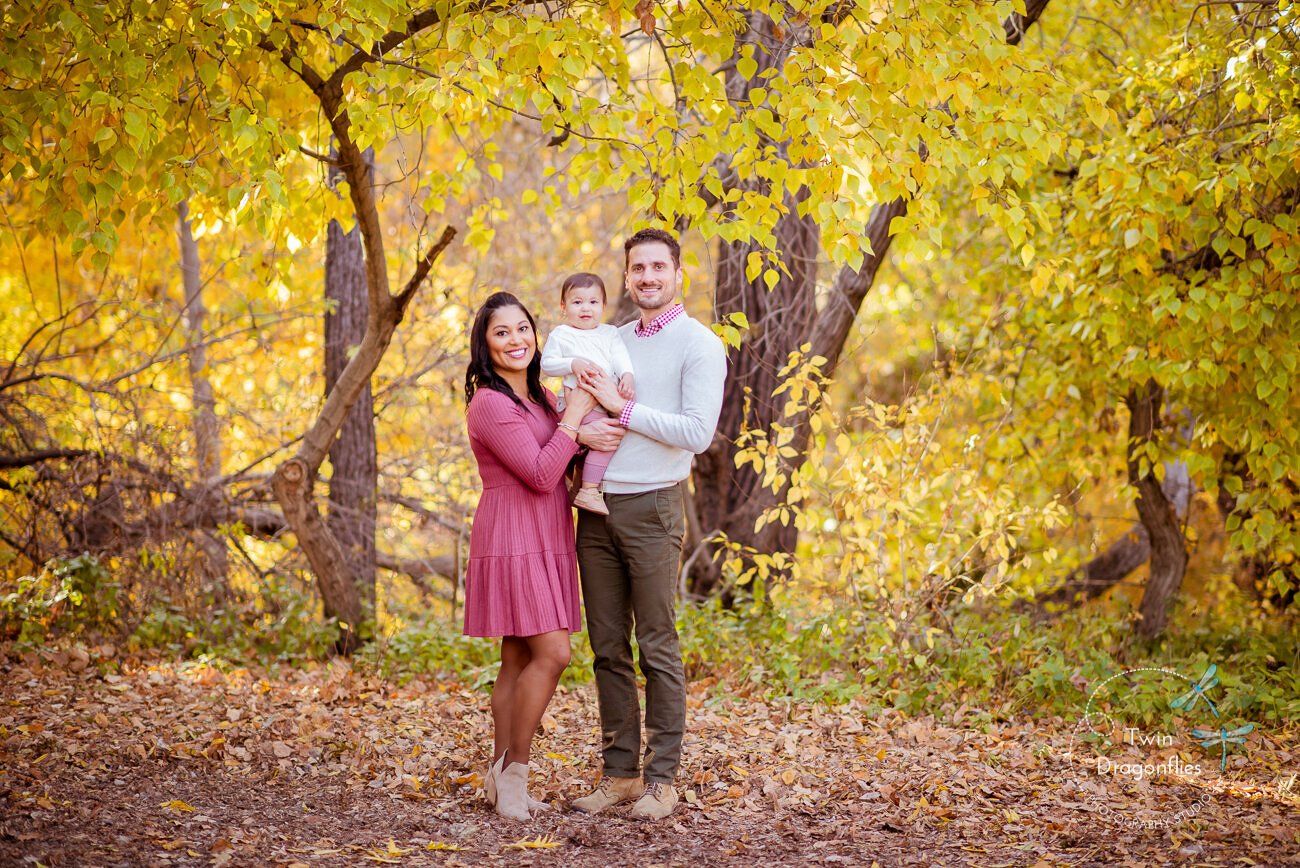
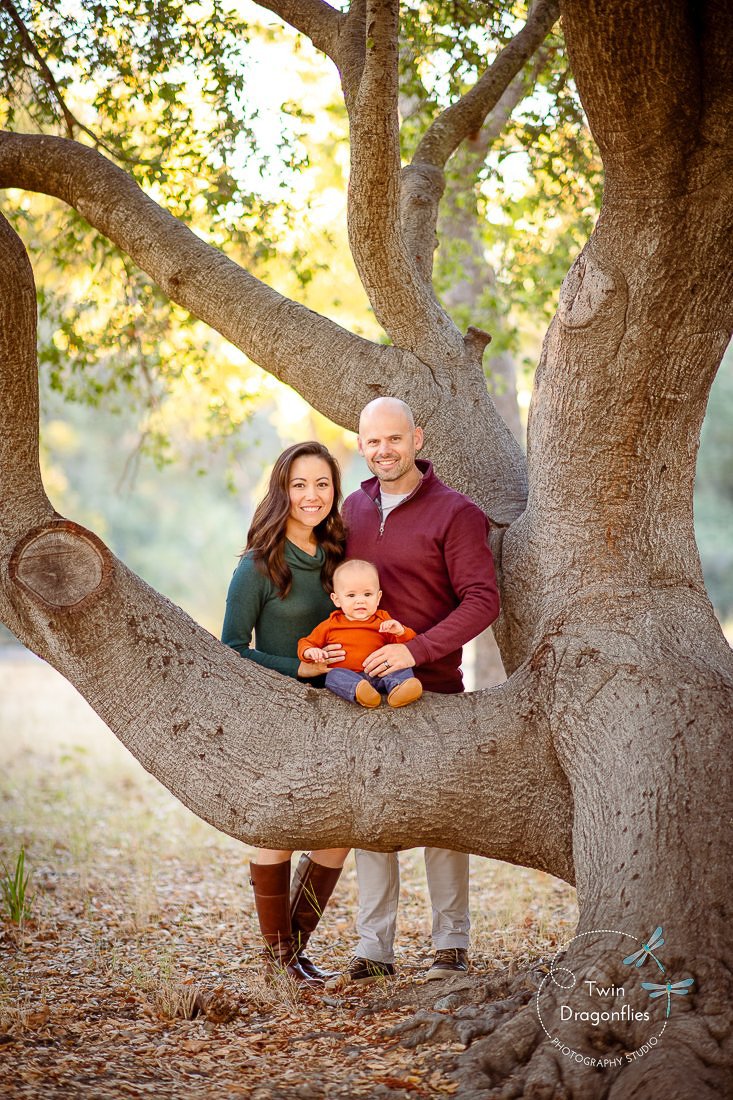
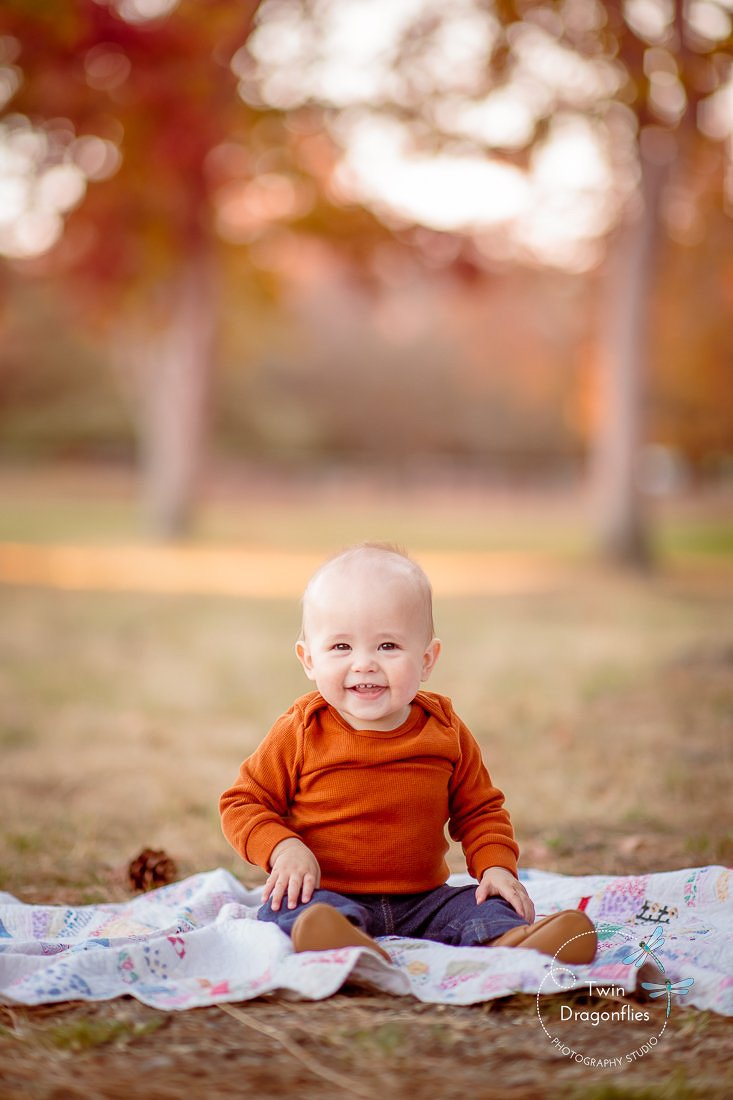
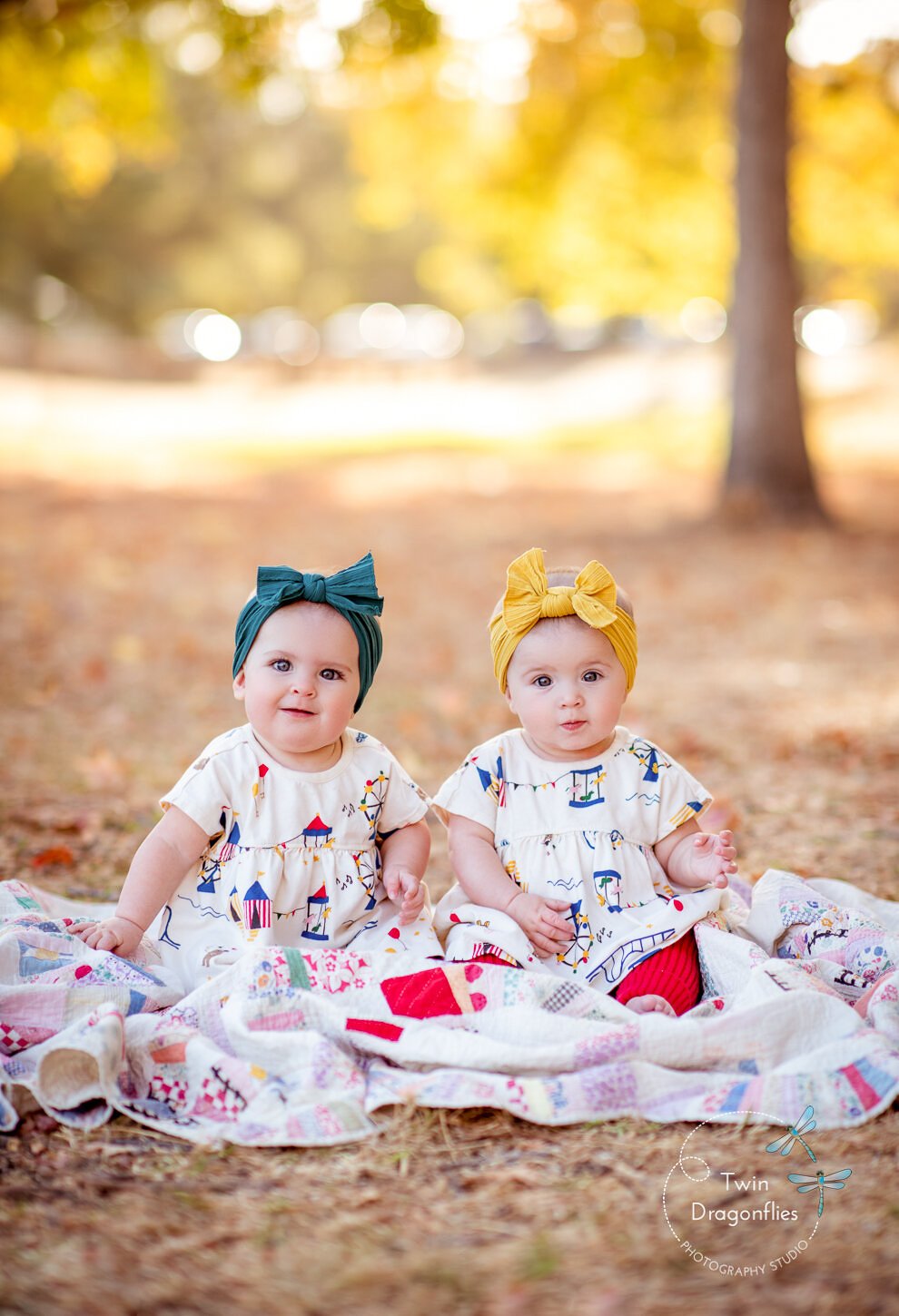
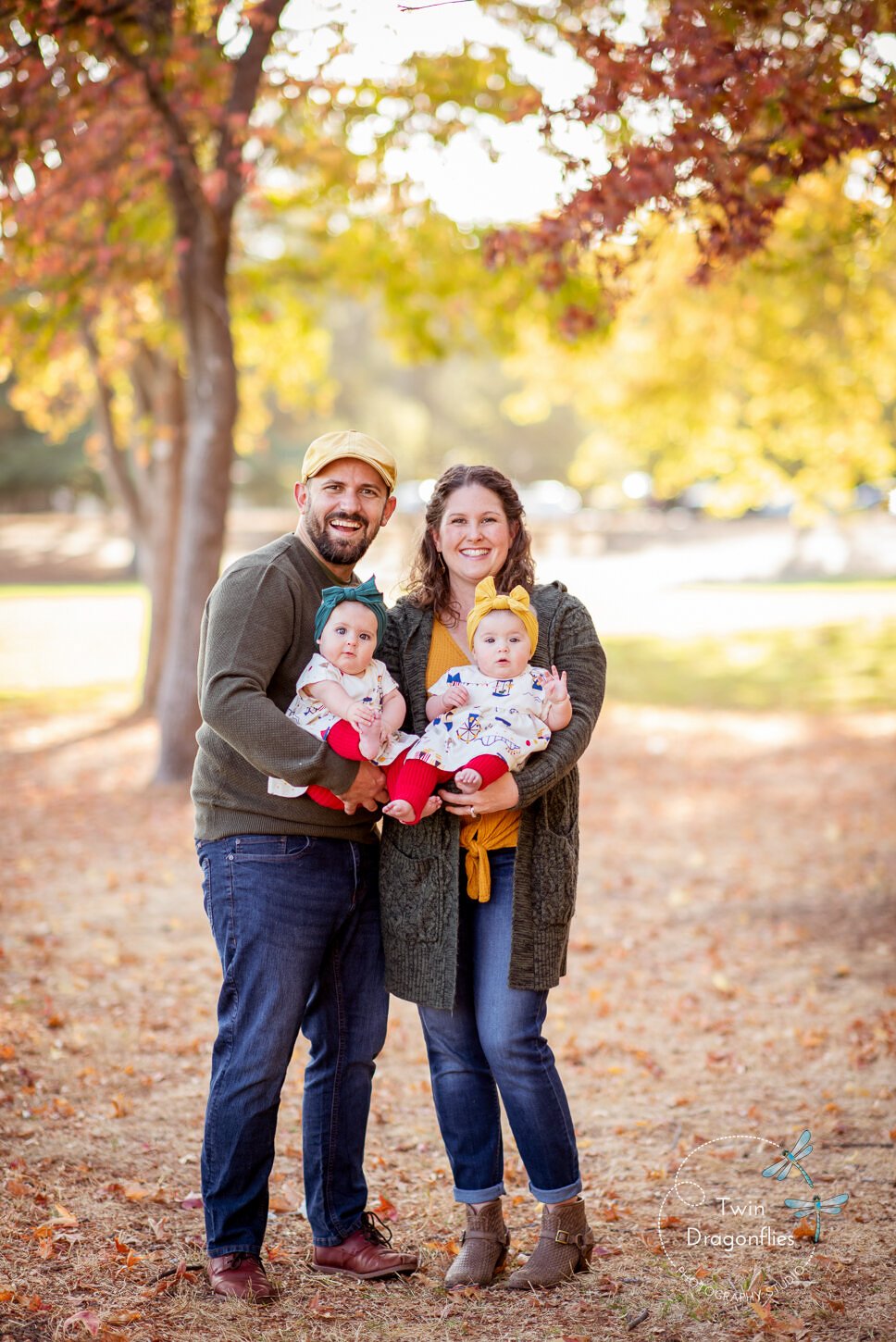
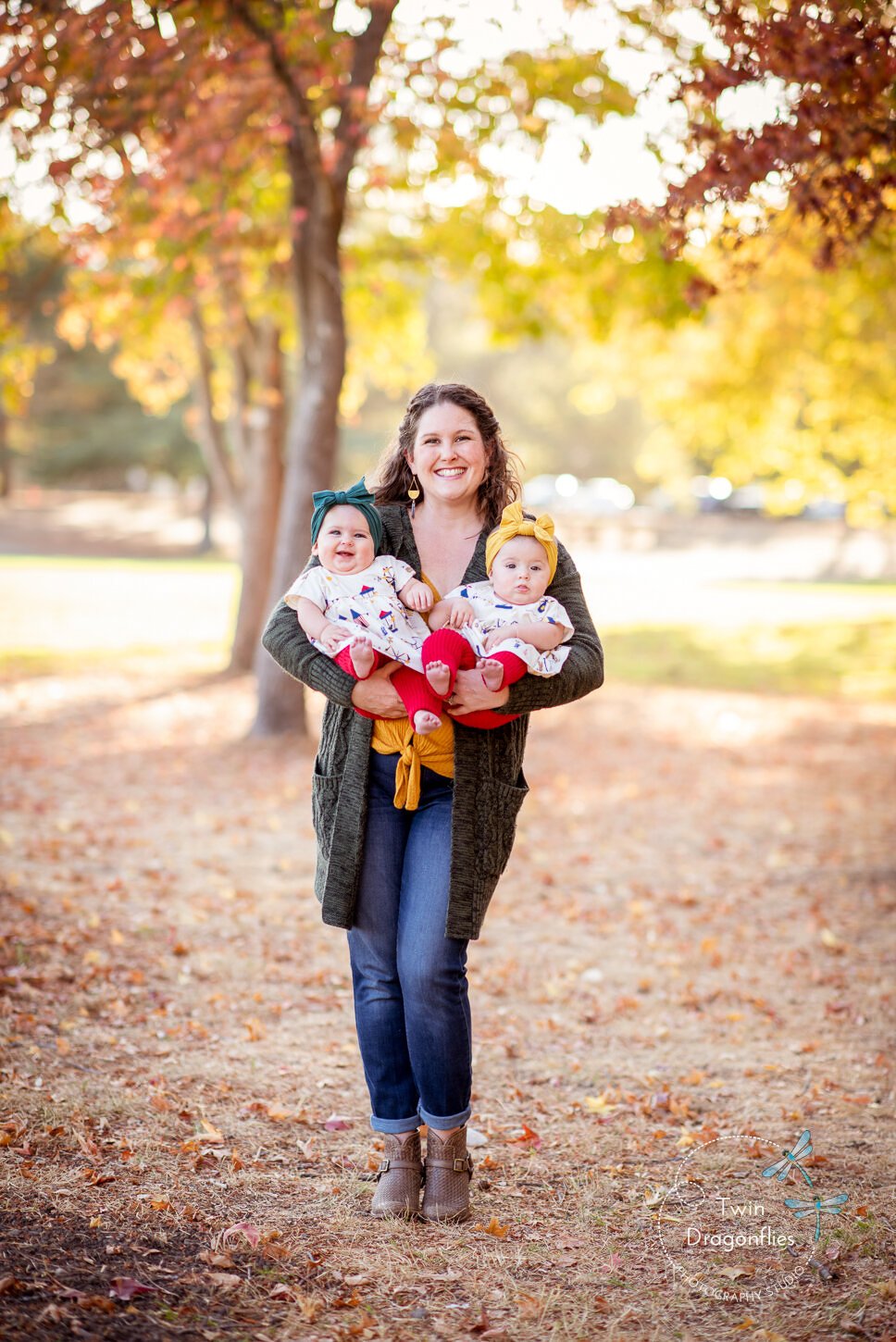
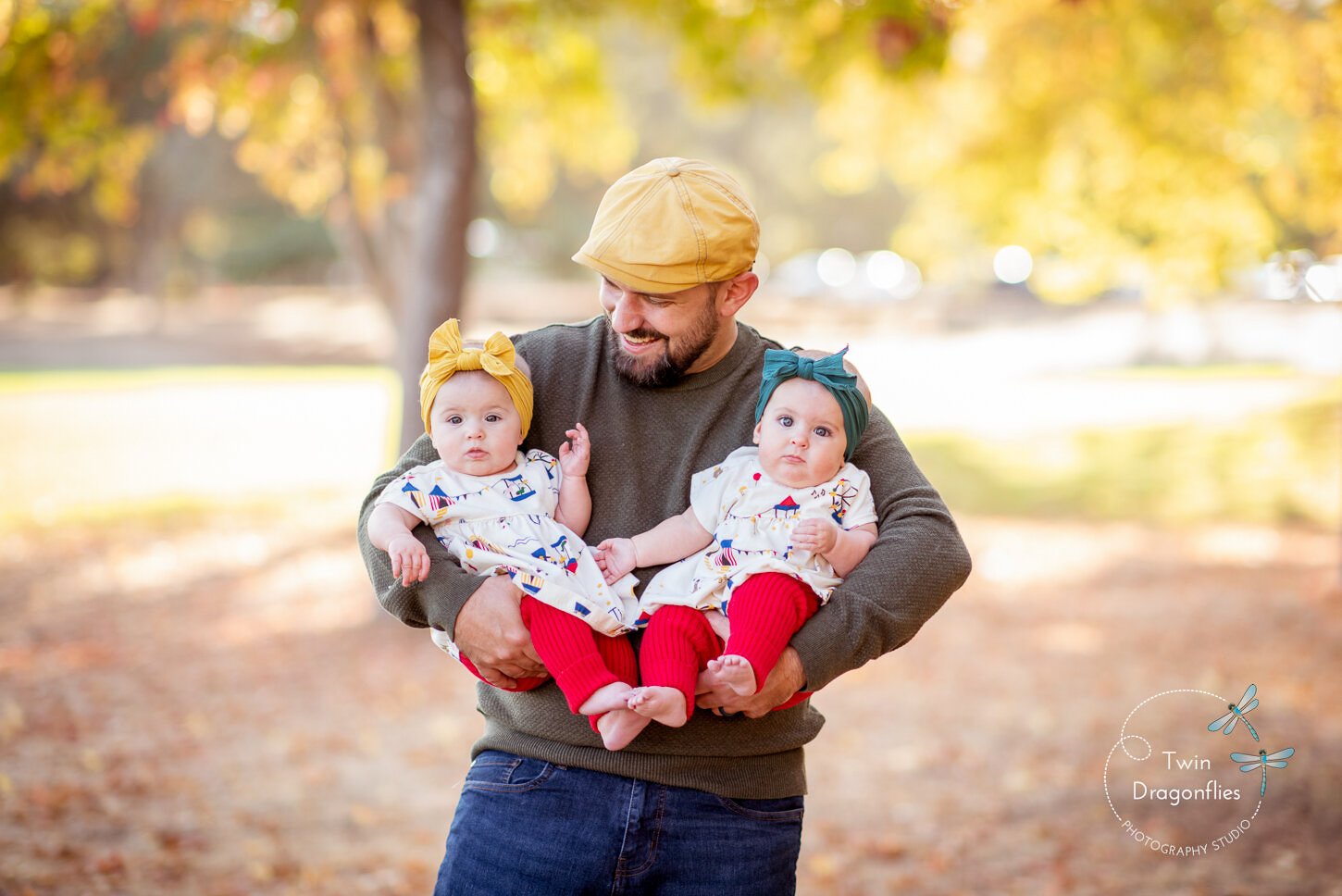
Open Fields vs Tree-Covered Areas
In open spaces, like wide fields:
light stays longer
session timing can be closer to actual sunset
But in locations with heavy trees:
light disappears earlier
shadows come in faster
sessions often need to start earlier
This is why two locations just a short drive apart can have completely different timing.
Why Some Locations Get Dark Faster
Certain areas naturally block light sooner.
For example:
dense tree coverage
hills or elevation changes
narrow paths or enclosed spaces
In these settings, the sun dips behind obstacles before the official sunset time.
This creates beautiful soft light — but for a shorter window.
How This Affects Your Session
Because of these differences, timing is carefully adjusted based on the location.
The goal is to:
start when light is soft enough
avoid harsh midday light
capture the best balance of brightness and warmth
This is why session start times may vary, even if sunset is listed at the same time.
A Natural Flow of Light
As the session progresses, the light continues to change.
It often moves through stages:
soft daylight
warm golden tones
subtle, even light just before sunset
Each stage offers slightly different looks — and together, they create variety in your images.
Why This Matters for Your Photos
Lighting is one of the biggest factors that shapes how your photos feel.
It affects:
skin tones
mood
depth
overall softness of the image
Choosing the right time makes everything else easier — from posing to capturing natural expressions.
That’s why most outdoor family and maternity sessions in the Bay Area are scheduled around sunset.
Bay Area Outdoor Photography Sessions
For families planning a family or maternity photo session in San Jose or the Bay Area, sunset sessions offer the most consistent and flattering results.
While the exact timing may shift depending on the location, the goal is always the same:
To create images that feel soft, natural, and timeless.
If you're planning an outdoor family or maternity photo session in San Jose or the Bay Area, you can learn more about my sessions here.
Choosing the right location also affects light — you can explore some of the best outdoor photo locations in the Bay Area here.
To prepare for lighting and timing, here’s a helpful guide on how to prepare for an outdoor family photo session.